
Kitchen remodeling is the process of improving a kitchen’s layout, structure, and features to increase functionality, efficiency, and property value.
This guide explains how to plan a kitchen remodel step by step, including budgeting, design decisions, timelines, and execution. A structured plan reduces cost overruns, shortens project duration, and improves long-term usability.
What Is Kitchen Remodeling?
Kitchen remodeling is the process of upgrading a kitchen’s layout, structure, and components to improve functionality, efficiency, and visual quality. It includes changes to cabinets, countertops, appliances, flooring, lighting, and plumbing systems.
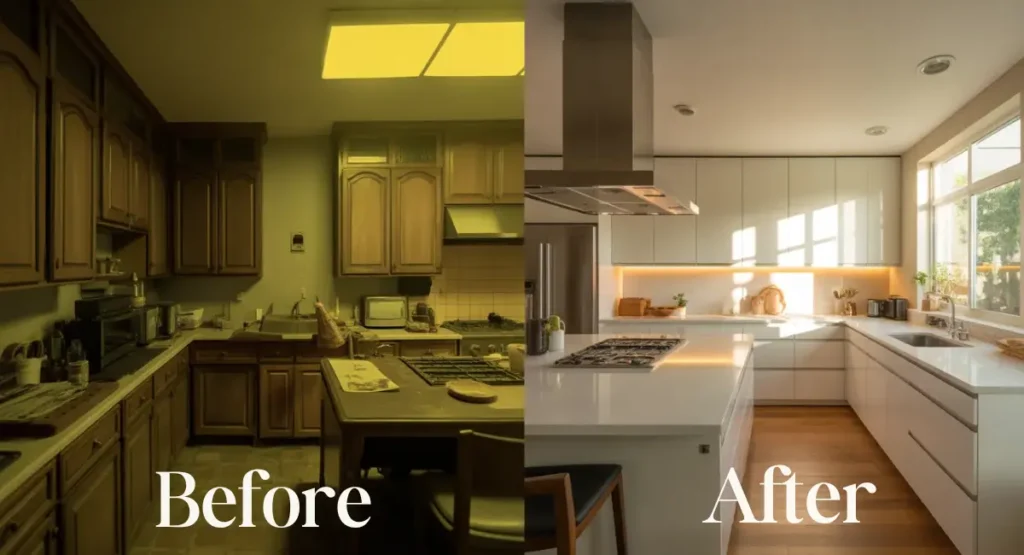
There are two types of kitchen remodeling. A partial kitchen remodel updates specific elements such as cabinets or countertops without changing the layout. A full kitchen remodel modifies the entire space, including layout changes, electrical work, plumbing adjustments, and structural improvements.
Kitchen remodeling improves workflow efficiency, increases storage capacity, and enhances property value. A mid-range kitchen remodel recovers approximately 50% to 70% of its cost in home value, depending on location and material quality.
How Do You Start Planning a Kitchen Remodel?
Start a kitchen remodel by defining your goals, setting a realistic budget, and evaluating your current kitchen layout. These three factors determine design decisions, material selection, and project scope.
Create a basic kitchen remodel plan that connects goals, budget, and layout. This initial plan acts as the foundation for design, contractor selection, and execution.
What Comes First in a Kitchen Remodel?
Planning comes first in a kitchen remodel, followed by budgeting, design, contractor selection, and execution. This sequence ensures controlled costs, efficient workflow, and minimal delays.
Planning establishes the overall direction of the project by defining its scope and objectives, including whether the renovation will be partial or complete, along with decisions about layout changes, storage requirements, and appliance selection.
Budgeting determines the financial framework for the remodel by allocating costs for materials, labor, and unexpected expenses to ensure the project stays within affordable limits.
Design turns the plan into a functional layout with cabinets, appliances, lighting, and materials.
Contractor selection ensures a qualified professional manages permits, costs, and timelines.
Execution involves demolition, installation, and finishing according to the approved plan to avoid rework.
What Steps Should You Follow to Plan a Kitchen Remodel?
There are 8 main steps to plan a kitchen remodel: define goals, set a budget, analyze space, choose a layout, select materials, plan appliances, hire a contractor, and create a project plan.
Every stage plays a role in managing expenses, ensuring design precision, and maintaining smooth and efficient project execution.
Step 1: Define Your Goals and Needs
Define functional and visual goals before making any design decisions. A high-traffic family kitchen requires durable countertops and maximum storage, while a design-focused kitchen prioritizes lighting, finishes, and layout aesthetics. Clear goals reduce revisions during construction.
Step 2: Set a Realistic Budget
A realistic budget for a kitchen remodel ranges from 5% to 15% of a home’s total value, depending on kitchen size, material quality, and project scope. This range balances cost with return on investment and prevents over-improvement.
For a home worth around $200,000, a reasonable kitchen remodeling budget typically ranges from $10,000 up to $30,000. A mid-range remodel typically targets $25,000-$60,000, while a high-end remodel exceeds $75,000 with custom features and structural changes.
Allocate budget across cabinets (25-30%), labor (20-30%), appliances (10-20%), and materials (20-30%).
A contingency reserve of 10-20% is required to cover unexpected costs such as plumbing repairs, electrical upgrades, or structural adjustments. Projects without contingency planning often exceed the initial budget.
Kitchen size and layout changes directly influence budget requirements. A 10×10 (100 sq. feet) kitchen remodel costs $15,000-$30,000 for standard upgrades, while larger kitchens require higher investment due to increased material and labor needs.
Step 3: Measure and Analyze Your Space
Measure kitchen dimensions and identify fixed elements such as plumbing lines, electrical outlets, and structural walls. Analyze workflow using the kitchen work triangle between sink, stove, and refrigerator to improve movement efficiency.
Step 4: Choose a Kitchen Layout Design
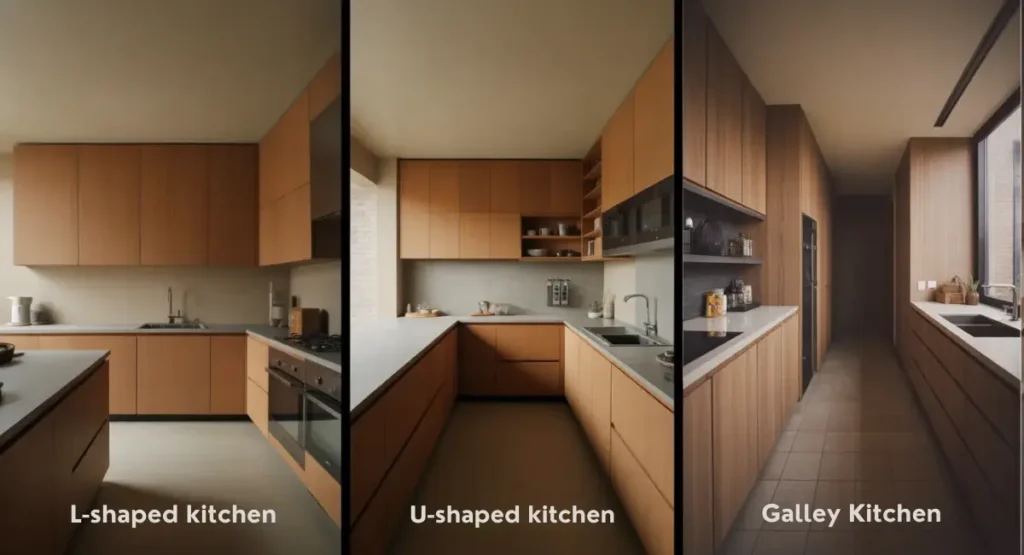
Select a layout based on available space and usage patterns. Common layouts include L-shaped kitchens for open spaces, U-shaped kitchens for maximum storage, and galley kitchens for narrow areas. Layout determines movement flow and storage capacity.
Apply the kitchen work triangle between sink, stove, and refrigerator to improve workflow efficiency. The total distance between these three points should remain balanced to reduce unnecessary movement during cooking.
Plan storage based on usage frequency. Base cabinets and drawers should store frequently used items, while wall cabinets and pantry units store less-used items. Deep drawers increase accessibility compared to standard shelves.
Design lighting in layers to improve visibility and safety. Task lighting under cabinets supports food preparation, ambient lighting provides general illumination, and accent lighting enhances design elements.
Ensure proper ventilation to maintain air quality. Range hoods remove smoke, grease, and odors, preventing buildup and improving kitchen conditions.
Align design decisions with budget and space constraints. Over-design increases cost without improving functionality.
Step 5: Select Materials and Features
Choose cabinets, countertops, flooring, and finishes based on durability, maintenance, and cost. Quartz countertops resist stains and scratches better than laminate, while solid wood or plywood cabinets last longer than particleboard. Material selection affects maintenance and lifespan.
Step 6: Plan Appliances and Utilities
Determine appliance types, sizes, and placement before finalizing design. Built-in appliances improve space efficiency, while energy-efficient models reduce electricity usage by 10-30%. Proper placement ensures ventilation, accessibility, and safety.
Step 7: Hire a Kitchen Contractor or Remodeler
Choose a certified contractor who has proven, verified experience specifically in kitchen renovation projects.
A professional contractor manages permits, labor scheduling, and construction quality. Compare at least three estimates to ensure pricing accuracy.
Step 8: Create a Kitchen Remodel Project Plan
Create a structured project plan that includes timeline, task sequence, and material delivery schedule. A standard kitchen renovation usually requires about 6 to 12 weeks to complete, depending on how complex the project is. A detailed plan reduces delays and prevents workflow conflicts.
How Long Does a Kitchen Remodel Take?
A kitchen remodel takes 2 to 12 weeks, depending on project scope, kitchen size, and construction complexity. Minor upgrades require less time, while full remodels with layout changes take longer.
A small kitchen remodel takes 2-4 weeks and includes surface updates such as painting, cabinet refacing, countertop replacement, and basic appliance installation. These projects do not involve structural, plumbing, or electrical changes.
A mid-range kitchen remodel takes 4-8 weeks and includes new cabinets, flooring, appliances, and lighting upgrades. This stage may involve limited plumbing or electrical adjustments.
A full kitchen remodel takes 8-12 weeks or more and includes layout changes, structural modifications, plumbing relocation, and custom installations.
Delays in permits, approvals, and inspections can lengthen the overall project timeline.
Each phase follows a fixed sequence. Planning and design take 1-3 weeks, material procurement takes 2-6 weeks, depending on availability, demolition takes 2-5 days, and installation takes 3-6 weeks. Delays occur due to material shortages, contractor scheduling, or unexpected structural issues.
Project complexity, contractor efficiency, and material selection directly affect completion time. Simple layouts with standard materials finish faster, while custom designs and high-end finishes increase duration.
Is Permit Required When Remodeling a Kitchen?
A permit is required for a kitchen remodel if the project involves structural changes, electrical work, plumbing modifications, or gas line adjustments. Cosmetic updates do not require permits.
Projects that require permits include removing or adding walls, relocating plumbing lines, upgrading electrical wiring, installing new circuits, and modifying ventilation systems. These changes affect safety, building structure, and code compliance.
Projects that do not require permits include painting, cabinet replacement without layout change, countertop installation, and appliance replacement in the same location. These updates do not alter structural or utility systems.
Permit requirements vary by location, but most municipalities enforce building codes to ensure safety and quality standards. Permit approval typically takes 3-14 days, depending on project complexity.
A licensed kitchen contractor usually handles permit applications, inspections, and compliance requirements. Failure to obtain required permits results in fines, project delays, and issues during property resale.
Always verify local building regulations before starting a kitchen remodel to avoid legal and structural complications.
What Are the Best Kitchen Remodel Ideas and Must-Haves?
The best kitchen remodel ideas focus on improving storage, workflow efficiency, lighting, and appliance performance. These features increase usability, reduce maintenance, and enhance long-term value.
Efficient storage systems help make the most of available space while keeping the kitchen organized and clutter-free. Features like pull-out cabinets, deep drawers, and tall pantry units can boost storage capacity by around 20–50% compared to traditional shelves. In addition, corner cabinets fitted with rotating trays make hard-to-reach areas much easier to use.
Durable countertops improve performance and lifespan. Quartz and granite resist scratches, stains, and heat better than laminate surfaces. Quartz countertops last 15-25 years with minimal maintenance.
Energy-efficient appliances reduce electricity and water usage. Modern refrigerators, dishwashers, and ovens consume 10–30% less energy compared to older models. Energy-efficient appliances lower long-term operating costs.
Layered lighting improves visibility and functionality. Combine task lighting under cabinets, ambient ceiling lights, and accent lighting for work areas. Proper lighting reduces shadows and improves safety during cooking.
Efficient layout design improves workflow. The kitchen work triangle between sink, stove, and refrigerator reduces movement distance and increases efficiency. Open layouts improve accessibility and interaction.
Ventilation systems maintain air quality. Range hoods remove smoke, grease, and odors, improving indoor air conditions and reducing residue buildup.
Soft-close cabinets and drawers increase durability and reduce noise. These mechanisms prevent damage from repeated impact and extend cabinet lifespan.
Modern backsplashes protect walls and enhance design. Materials such as ceramic tile, glass, and stone resist moisture and are easy to clean.
Functional islands add workspace and storage. Kitchen islands provide additional counter space, seating, and storage compartments, improving usability in medium to large kitchens.
These features improve kitchen performance, increase property value, and support long-term usability.
What Are the Best Ways to Lower Kitchen Remodel Costs?
You can lower cost on a kitchen remodel by keeping the existing layout, choosing cost-effective materials, and controlling labor costs. These strategies reduce total expenses without affecting functionality.
Keep the Existing Layout
Keep the current layout to avoid plumbing and electrical relocation. Moving a sink, stove, or gas line increases cost by 10-25% due to additional labor and permits. A fixed layout reduces installation time and complexity.
Refinish or Reface Cabinets
Restore or update existing cabinets through refinishing or refacing rather than opting for a full replacement.
Cabinet refacing costs 40-60% less than full replacement and maintains structural durability. Painting or resurfacing cabinets improves appearance at lower cost.
Choose Cost-Effective Materials
Choose mid-range materials with high durability. Quartz alternatives, laminate countertops, and engineered wood flooring reduce cost by 20-50% compared to premium materials while maintaining performance.
Buy Appliances During Sales
Purchase appliances during sales or clearance periods. Seasonal discounts reduce appliance costs by 10-30%. Energy-efficient models also lower long-term utility expenses.
Do Some Work Yourself
Handle minor tasks independently to reduce labor cost. Painting walls, installing hardware, and basic demolition reduce contractor hours. Labor accounts for 20–30% of total remodel cost.
Compare Contractor Quotes
Compare multiple contractor estimates before hiring. Reviewing at least three quotes ensures competitive pricing and prevents overpayment. Fixed-price contracts reduce unexpected cost increases.
Reuse Existing Fixtures
Reuse existing fixtures where possible. Keeping sinks, faucets, or lighting fixtures reduces replacement costs and installation time.
Plan Purchases Early
Plan material purchases in advance to avoid rush fees. Delayed or urgent orders increase cost and extend project timeline.
Set a Clear Budget
Set a strict budget with a 10-20% contingency reserve. Controlled spending prevents unnecessary upgrades and manages unexpected expenses.
These methods reduce kitchen remodel costs while maintaining quality, efficiency, and long-term value.
How to Choose the Right Kitchen Contractor?
Choose a kitchen contractor by verifying licensing, checking experience, comparing estimates, and reviewing past work quality. These factors ensure project accuracy, cost control, and construction reliability.
Verify Licensing and Insurance
Verify licensing and insurance before hiring. A licensed contractor meets local building codes, while insurance covers property damage and worker liability. Unlicensed contractors increase legal and financial risk.
Check Remodeling Experience
Check experience in kitchen remodeling projects. A contractor with 5–10 years of experience handles layout changes, plumbing coordination, and electrical work more efficiently than a general contractor with limited specialization.
Review Past Work and Feedback
Review past projects and client feedback. Completed kitchen remodels show design quality, material usage, and finishing standards. Consistent positive reviews indicate reliability and workmanship.
Compare Multiple Estimates
Compare at least three written estimates. A detailed estimate includes labor cost, material cost, timeline, and payment schedule. Large price differences indicate scope gaps or hidden costs.
Evaluate Communication and Management
Evaluate communication and project management. A reliable contractor provides clear timelines, regular updates, and structured workflows. Poor communication increases delays and errors.
Confirm Permits and Compliance
Confirm permit handling and code compliance. Professional contractors manage permits, inspections, and legal requirements. This reduces delays and ensures safety standards.
Check Contract Details Carefully
Check contract terms before signing. A complete contract includes project scope, payment schedule, deadlines, and warranty details. Written agreements prevent disputes during construction.
Avoid Unrealistically Low Bids
Avoid contractors with unusually low bids or no references. Low-cost offers often result in poor material quality or incomplete work.
Selecting the right contractor improves construction quality, reduces delays, and ensures the kitchen remodel follows the planned design and budget.
What Is the Most Expensive Part of a Kitchen Remodel?
Cabinets are the most expensive part of a kitchen remodel, accounting for 30-40% of total cost. Custom cabinetry, material quality, and installation complexity increase this cost significantly.
Cabinet Costs (Highest Expense)
Custom cabinets cost 2–3 times more than stock cabinets due to tailored design, premium materials, and precise installation. Solid wood cabinets cost more than engineered wood or laminate options, but provide higher durability and longer lifespan.
Labor Costs
Labor is the second-largest expense, representing 20-30% of total cost. Skilled labor is required for cabinet installation, plumbing, electrical work, and finishing. Complex layouts and structural changes increase labor cost.
Countertop Costs
Countertops are another major cost component, contributing 10-15% of the total budget. Quartz and granite cost more than laminate but offer higher durability and resistance to stains and heat.
Appliance Costs
Appliances account for 10-20% of the total cost depending on brand and features. High-end appliances with smart technology increase total expenses significantly.
Structural Changes
Structural changes such as wall removal, plumbing relocation, and electrical upgrades increase overall cost by 10-25%. These changes require permits, inspections, and additional labor.
Cabinets remain the highest-cost element because they combine material, design, and installation expenses in a single component.
Common Mistakes to Avoid in Kitchen Remodeling
Avoiding common mistakes in kitchen remodeling prevents cost overruns, delays, and functional issues. These mistakes reduce efficiency, increase maintenance, and lower long-term value.
Ignoring Proper Planning
Ignoring proper planning is the most common mistake. Starting construction without a clear plan leads to design changes, budget increases, and project delays. A defined plan controls scope, cost, and timeline.
Setting an Unrealistic Budget
Setting an unrealistic budget causes incomplete work or poor material choices. Underestimating costs results in compromises on cabinets, appliances, or labor quality. A realistic budget with a 10-20% contingency prevents disruptions.
Changing the Layout Unnecessarily
Changing the layout without necessity increases cost and complexity. Relocating plumbing, gas lines, or electrical systems adds 10-25% to total cost. Keeping the existing layout reduces expenses and installation time.
Prioritizing Design Over Functionality
Choosing design over functionality reduces usability. Poor storage planning, limited counter space, and inefficient layout decrease kitchen performance. Function-first design improves workflow and convenience.
Hiring Unqualified Contractors
Hiring an unqualified contractor leads to poor workmanship and delays. Contractors without proper licensing or experience fail to meet quality and safety standards. Verified professionals ensure reliable execution.
Overlooking Storage Needs
Overlooking storage requirements creates clutter and reduces efficiency. Insufficient cabinets, drawers, and pantry space limit organization. Smart storage solutions improve usability and accessibility.
Choosing Low-Quality Materials
Selecting low-quality materials increases long-term maintenance cost. Cheap cabinets, countertops, and flooring wear out faster and require replacement. Durable materials provide better value over time.
Ignoring Lighting and Ventilation
Ignoring lighting and ventilation affects safety and comfort. Poor lighting reduces visibility, while weak ventilation causes smoke and odor buildup. Proper lighting and ventilation improve kitchen conditions.
Skipping Required Permits
Skipping permits for required work leads to legal and safety issues. Unapproved structural, plumbing, or electrical changes result in fines and complications during resale.
Avoiding these mistakes ensures a kitchen remodel remains efficient, cost-controlled, and aligned with long-term usability goals.
How to Prepare for a Kitchen Remodel?
Prepare for a kitchen remodel by setting up a temporary kitchen, clearing the workspace, and securing utilities before construction begins. Proper preparation reduces disruption, protects belongings, and keeps the project on schedule.
Set Up a Temporary Kitchen
Set up a temporary kitchen in another room with essential appliances such as a microwave, refrigerator, and electric kettle. This setup maintains daily cooking functions during the remodel. Disposable utensils and simple meal planning reduce workload.
Clear the Kitchen Space
Remove all items from cabinets, drawers, and countertops before demolition starts. Clearing the kitchen prevents damage to utensils, appliances, and personal items. Label and organize items for easy access during and after the project.
Protect Surrounding Areas
Protect nearby areas from dust and debris. Cover furniture, seal adjacent rooms with plastic sheets, and use floor protection materials. Construction work generates dust that spreads beyond the kitchen area.
Secure Utilities
Disconnect or secure utilities before work begins. Shut off water, gas, and electricity if required by the contractor. Proper utility management ensures safety during demolition and installation.
Confirm Schedule and Deliveries
Confirm material delivery and project schedule in advance. Delayed materials extend project timelines and increase labor costs. A fixed schedule improves workflow coordination.
Communicate With the Contractor
Communicate clearly with the contractor about timelines, access points, and daily working hours. Clear communication reduces confusion and prevents delays.
Plan Waste Management
Plan for waste removal and debris management. Arrange disposal containers or contractor services to handle demolition waste efficiently.
Preparing in advance improves safety, reduces inconvenience, and ensures the kitchen remodel process runs smoothly.
Step-by-Step Kitchen Remodeling Process (Execution Phase)
The kitchen remodeling execution phase follows a fixed sequence: demolition, structural work, utility installation, surface installation, and finishing. This order ensures safety, accuracy, and efficient workflow.
Step 1: Demolition
Demolition removes existing cabinets, countertops, flooring, and appliances to prepare the space for new construction. This phase takes 2–5 days depending on kitchen size and material removal complexity. Proper demolition prevents damage to structural elements.
Step 2: Structural Work
Structural work includes wall removal, framing, and layout modifications. This step changes the kitchen layout and defines the new space configuration. Structural changes require permits and inspections to meet building codes.
Step 3: Plumbing and Electrical Installation
Plumbing and electrical systems are installed or updated based on the new layout. This includes water lines, drainage systems, wiring, outlets, and lighting connections. Proper installation ensures safety and long-term functionality.
Step 4: Flooring Installation
Flooring is installed after structural and utility work. Materials such as tile, hardwood, or vinyl are placed based on design and durability requirements. Early installation ensures proper alignment with cabinets and appliances.
Step 5: Cabinet Installation
Cabinets are installed after flooring to ensure accurate alignment and stability. This step defines storage layout and determines countertop placement. Precise installation prevents gaps and structural issues.
Step 6: Countertop Installation
Countertops are installed after cabinets are fixed. Materials such as quartz, granite, or laminate are measured and fitted. Proper installation ensures durability and surface stability.
Step 7: Appliance Installation
Appliances are installed after countertops and cabinets. This includes refrigerators, ovens, dishwashers, and range hoods. Correct placement ensures proper ventilation, accessibility, and workflow efficiency.
Step 8: Finishing Work
Finishing includes painting, backsplash installation, lighting fixtures, and final adjustments. This step improves appearance and completes the kitchen design.
Step 9: Final Inspection
Final inspection verifies that all work meets safety standards, design plans, and building codes. This step ensures the kitchen remodel is complete and ready for use.
Following this sequence reduces errors, avoids rework, and ensures the kitchen remodel is completed efficiently.
Kitchen Remodel Checklist
A kitchen remodel checklist ensures every planning step is completed in the correct order and reduces errors, delays, and cost overruns. This checklist covers goals, budget, design, contractor selection, and project preparation.
- Define kitchen remodel goals based on function, storage, and design requirements
- Set a realistic budget with a 10–20% contingency reserve
- Measure kitchen space and identify plumbing, electrical, and structural limits
- Choose a kitchen layout based on workflow and available space
- Select cabinets, countertops, flooring, and finishes based on durability and cost
- Plan appliance types, sizes, and placement for efficiency and accessibility
- Research and hire a licensed kitchen contractor with verified experience
- Compare at least three estimates to ensure accurate pricing
- Confirm permit requirements based on structural, plumbing, or electrical changes
- Create a detailed kitchen remodel project plan with timeline and task sequence
- Order materials in advance to avoid delays and price increases
- Prepare the home by setting up a temporary kitchen and storage area
This checklist maintains planning accuracy, improves workflow, and ensures the kitchen remodel follows a structured process from start to execution.
Is a Kitchen Remodel Worth It?
A kitchen remodel is worth it because it improves functionality, increases property value, and enhances daily usability. Most kitchen remodels recover 50–70% of their cost in home value, depending on project quality and market conditions.
A mid-range kitchen remodel provides the highest return on investment. Projects costing $25,000–$60,000 typically deliver strong resale value without excessive spending. High-end remodels improve comfort and design but recover a lower percentage of cost.
Kitchen upgrades increase home appeal and buyer interest. Updated cabinets, modern appliances, and efficient layouts attract more buyers and reduce time on the market. Homes with remodeled kitchens often sell faster than outdated properties.
Functional improvements provide daily benefits. Better storage, improved lighting, and efficient layouts reduce effort and increase convenience. Energy-efficient appliances lower utility costs by 10–30% over time.
A kitchen remodel is most valuable when the existing kitchen is outdated, inefficient, or damaged. Minor updates provide value in newer homes, while full remodels deliver better results in older properties.
A well-planned kitchen remodel balances cost, functionality, and long-term value, making it a practical investment for most homeowners.
Final Kitchen Remodel Tips for Homeowners
Follow practical planning, budgeting, and design principles to ensure a kitchen remodel remains efficient, cost-controlled, and functional over time. These final tips improve decision-making and reduce common project risks.
Prioritize Function Over Appearance
Prioritize function over appearance in every design decision. An efficient layout, proper storage, and accessible appliances improve daily usability more than decorative upgrades. Functional kitchens reduce long-term frustration.
Finalize the Layout Early
Fix the layout early and avoid late changes. Design changes during construction increase cost by 10–20% and delay project timelines. A finalized plan ensures smooth execution.
Invest in High-Use Components
Invest in high-use components such as cabinets, countertops, and hardware. Durable materials last 15–25 years and reduce maintenance cost. Low-quality materials require early replacement.
Maintain Efficient Workflow
Maintain consistent spacing and workflow efficiency. The distance between sink, stove, and refrigerator should allow smooth movement without obstruction. Efficient layouts reduce effort during daily tasks.
Plan Storage Smartly
Plan storage based on usage patterns. Frequently used items should be easily accessible, while less-used items can be stored in upper cabinets or pantry units. Organized storage improves efficiency.
Use Layered Lighting
Use layered lighting for better visibility and safety. Combine task lighting, ambient lighting, and accent lighting to eliminate shadows and improve working conditions.
Confirm Measurements Accurately
Confirm measurements before ordering materials. Incorrect measurements lead to installation issues, material waste, and additional costs. Accurate dimensions ensure proper fitting.
Monitor Project Progress
Monitor the project regularly and communicate with the contractor. Regular updates help identify issues early and maintain timeline control.
Avoid Unnecessary Upgrades
Avoid unnecessary upgrades that do not improve functionality or value. Focus on features that provide measurable benefits such as storage, efficiency, and durability.
Think Long-Term
Plan for long-term use rather than short-term trends. Timeless designs maintain value and reduce the need for future remodeling.
Applying these tips ensures the kitchen remodel remains practical, efficient, and aligned with long-term homeowner needs.
Conclusion
Planning a kitchen remodel requires clear goals, a realistic budget, and a structured process from design to execution. A well-planned kitchen remodel improves functionality, increases property value, and reduces long-term maintenance costs.
Start with defined objectives, follow a step-by-step plan, and maintain consistency between budget, layout, and material selection. Each stage, from planning and design to contractor selection and execution, directly affects project outcome.
Accurate cost estimation, proper timeline management, and informed design decisions prevent delays and unnecessary expenses. Avoiding common mistakes and focusing on functional improvements ensures better results.
A kitchen remodel delivers the best value when decisions are based on efficiency, durability, and long-term usability.